Definition
A small cleaning brush
A tawashi is a hand-held brush for wet cleaning. It is made to be simple, tough and easy to rinse after use.

What is a tawashi brush?
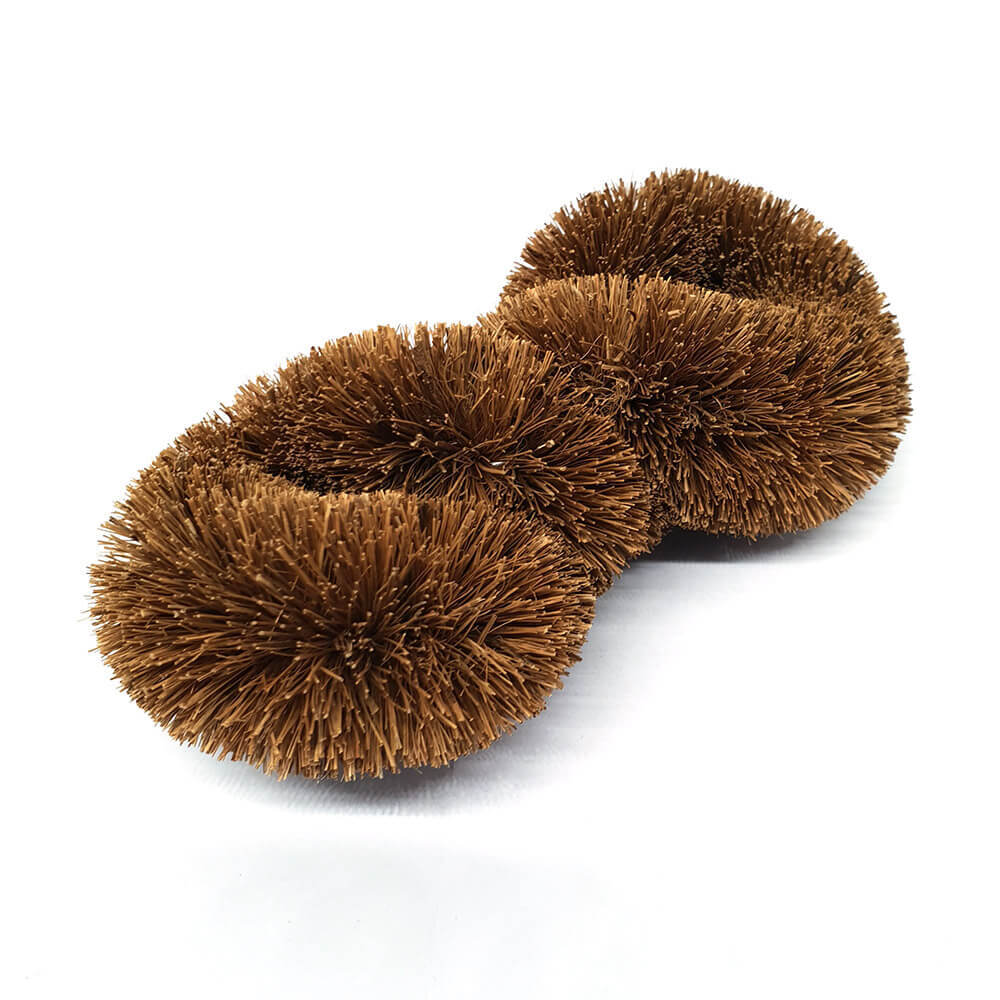
A tawashi brush is a small, firm cleaning brush with roots in Japanese household cleaning. Traditional tawashi brushes are associated with tough natural plant fibres, while modern coconut tawashi brushes use coconut coir fibre from the outer husk of the coconut. The idea is simple: a compact natural fibre brush for practical washing up, vegetable cleaning and everyday household jobs.
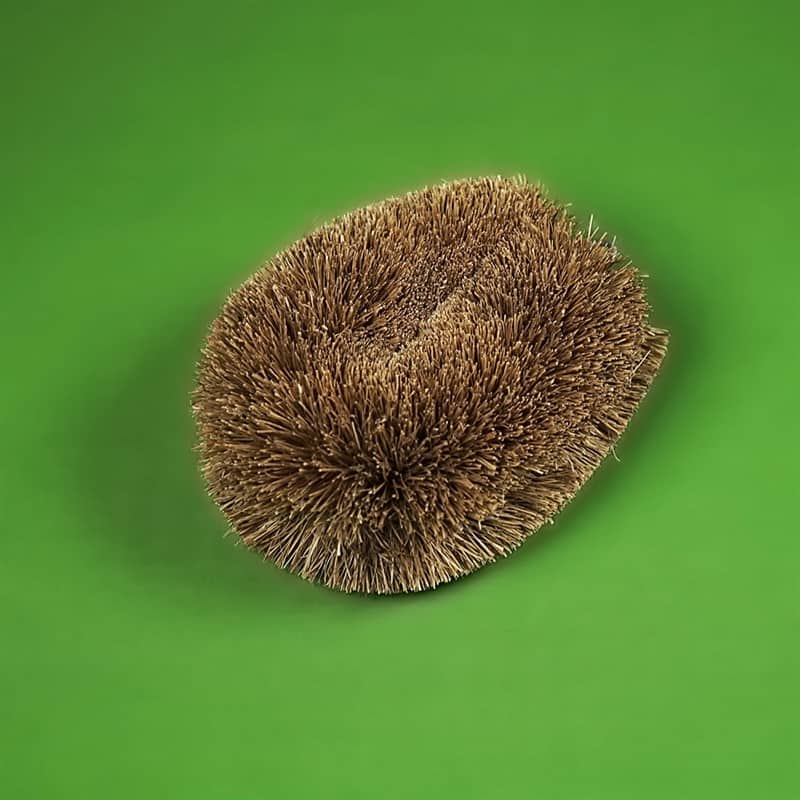
An old idea with a very useful modern fibre.
Tawashi is not just a trendy eco word. It describes a practical brush style built around tough natural fibres.
The simple explanation
A tawashi brush is a compact cleaning brush designed to be held in the hand and used with water. It is usually firmer than a sponge and more flexible than a rigid plastic brush, which makes it useful for cleaning curves, edges, corners and ordinary kitchen surfaces.
The word tawashi is most strongly associated with Japanese-style scrubbing brushes. In everyday UK terms, a coconut tawashi brush is a natural fibre washing-up and cleaning brush: not a throwaway plastic sponge, not a delicate cloth, and not an overcomplicated gadget.
Definition
A tawashi is a hand-held brush for wet cleaning. It is made to be simple, tough and easy to rinse after use.
Material
The cleaning texture comes from dense plant fibre rather than synthetic sponge foam or a plastic scouring pad.
Modern version
The coconut version uses coir from the coconut husk, giving the brush a springy, useful texture for everyday cleaning.
Where the name comes from
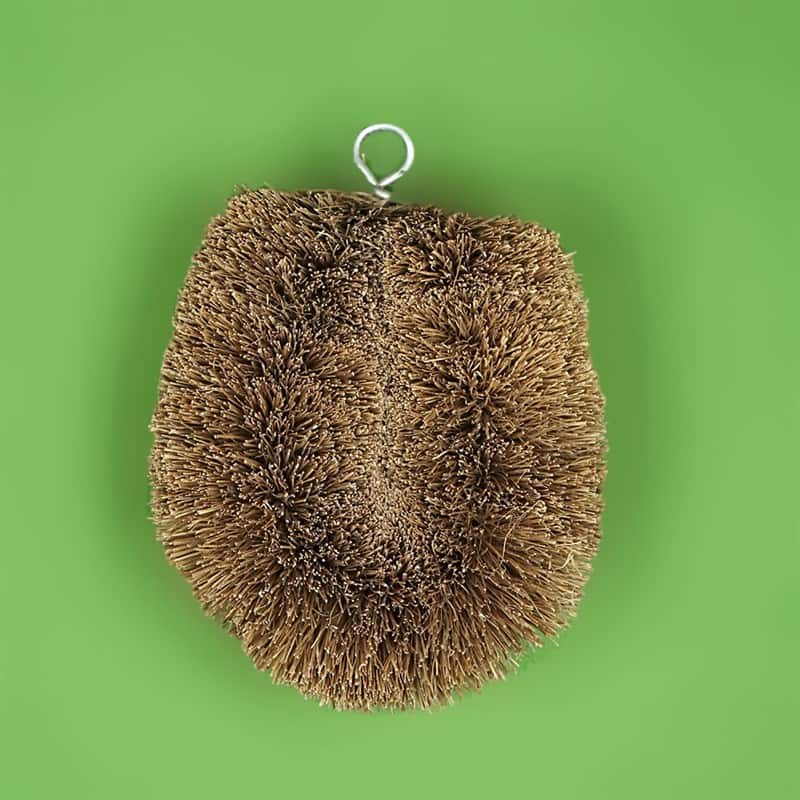
Tawashi brushes are strongly associated with Japanese household cleaning. The best-known traditional style is the Kamenoko Tawashi, a small natural-fibre brush whose name is commonly linked with the idea of a baby tortoise or young turtle.
That tortoise connection makes sense visually: the classic tawashi shape is small, rounded, practical and palm-sized. It is not delicate or decorative. It is the sort of brush that earns its place because it quietly does the jobs people actually need doing.
A little history
Tawashi brushes did not appear because someone recently decided plastic sponges were annoying. The traditional idea is much older: use a tough natural fibre, twist or bind it into a small brush, and make a simple household tool for wet cleaning.
The classic Japanese Kamenoko Tawashi is usually associated with palm fibre rather than coconut fibre. That matters, because it means “tawashi” is the brush tradition and style, not one single material. Coconut coir tawashi brushes are a modern natural-fibre version of that same practical idea.
Traditional idea
The old tawashi idea is beautifully straightforward: use tough plant fibre to make a compact brush for wet household cleaning.
Japanese style
The famous Kamenoko Tawashi is the classic Japanese reference point: a palm-sized brush associated with durability and ordinary household usefulness.
Modern fibre
A coconut tawashi brush keeps the same practical brush idea, but uses coconut coir as the natural fibre doing the cleaning work.
Why coconut fibre?
That is the useful distinction. A tawashi brush is Japanese in style and naming, but the coconut version is not claiming that Japan was somehow built on coconut farming. Coconut coir is used because it is a very good modern natural fibre for this kind of brush.
Coir comes from the rough outer husk of the coconut: the fibrous protective layer between the outside of the fruit and the hard inner shell. That husk fibre is naturally tough, springy and textured, which makes it well suited to practical products such as brushes, mats, ropes and doormats.
Not the coconut oil bit
Coconut coir is not coconut oil and it is not the white coconut flesh. It is the rough fibre from the outer husk.
Right material
Those natural fibre qualities are exactly what you want in a useful cleaning brush: grip, texture and enough resilience to keep working.
Useful by-product
Turning coconut husk fibre into a brush gives a tough agricultural by-product a proper job around the home.
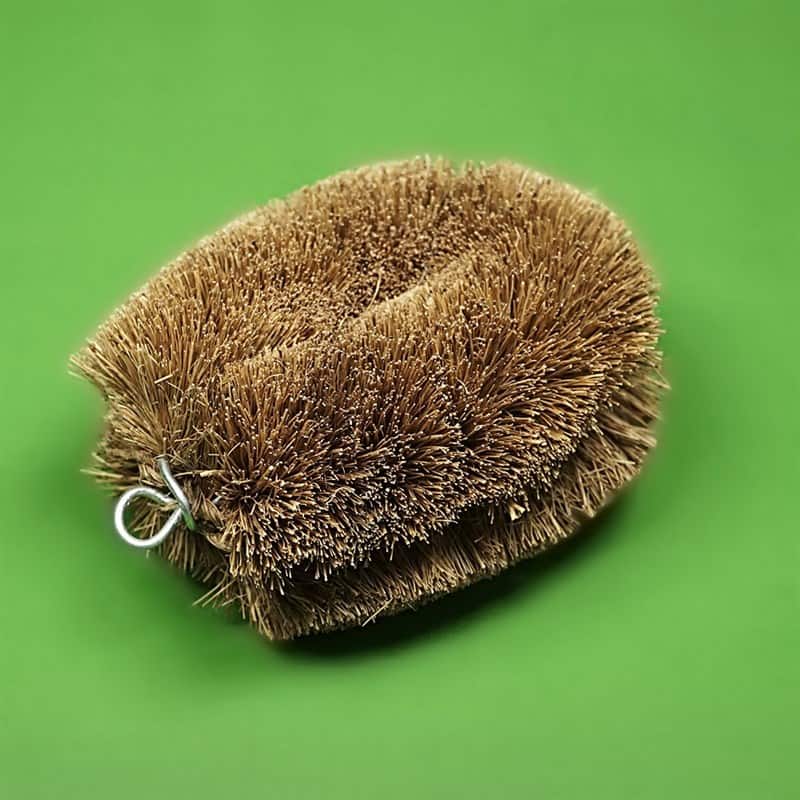
Palm fibre, coconut fibre, same useful idea
Traditional tawashi brushes are often described as palm-fibre brushes. Modern coconut tawashi brushes use coconut coir instead. That is not a contradiction; it is simply the same style of practical brush being made with another tough natural plant fibre.
The reason coconut coir works so well is that it is already built for toughness. The husk protects the coconut, so the fibre has a naturally wiry structure. In brush form, that texture becomes useful for washing up, vegetable cleaning, sink edges and ordinary household jobs.
What makes it different?
A sponge relies on soft foam. A tawashi brush relies on fibre, shape and texture. That is why it feels different in the hand and behaves differently at the sink.
This page is not the full usage guide, but the basic point is helpful: a tawashi brush is a simple natural-fibre tool. It is made for the jobs where you want more structure than a cloth and more natural material than a synthetic sponge.
Structure
The fibre bundle gives the brush a firm, useful body instead of collapsing like a soft piece of foam.
Texture
The natural fibre surface creates useful cleaning friction without needing a separate synthetic scouring layer.
Simplicity
No batteries, no cartridges, no mystery foam. Just a compact brush made from tough natural fibre.
What can you use it for?
A tawashi brush is not a precious thing. It is meant to be used. This page gives the definition and background; the full practical routine is on the how-to-use page.
Everyday cleaning
Use it for washing up, sink edges, baking trays and practical kitchen cleaning.
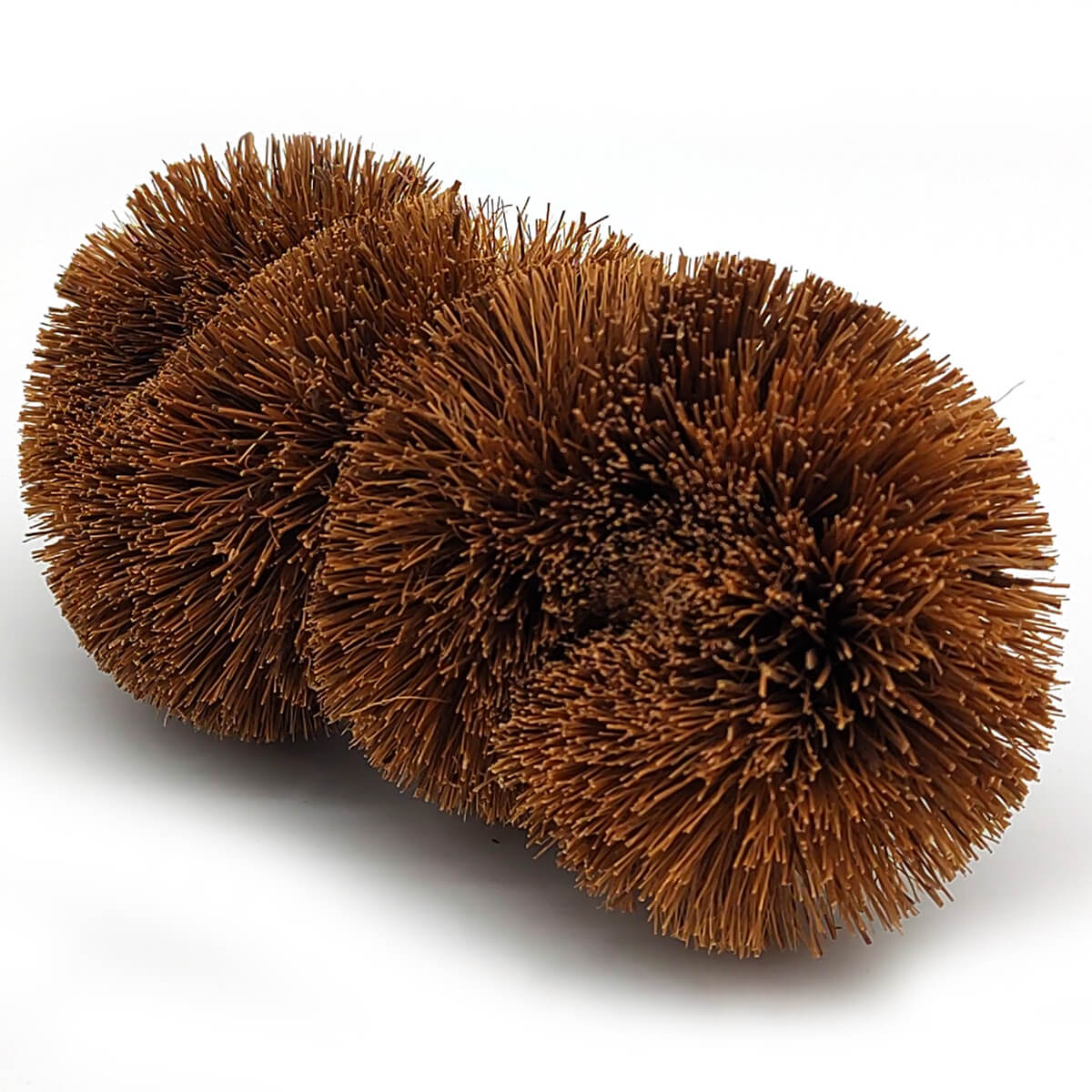
Awkward shapes
Mug brush versions are useful for cups, glasses, jars and corners that normal sponges miss.
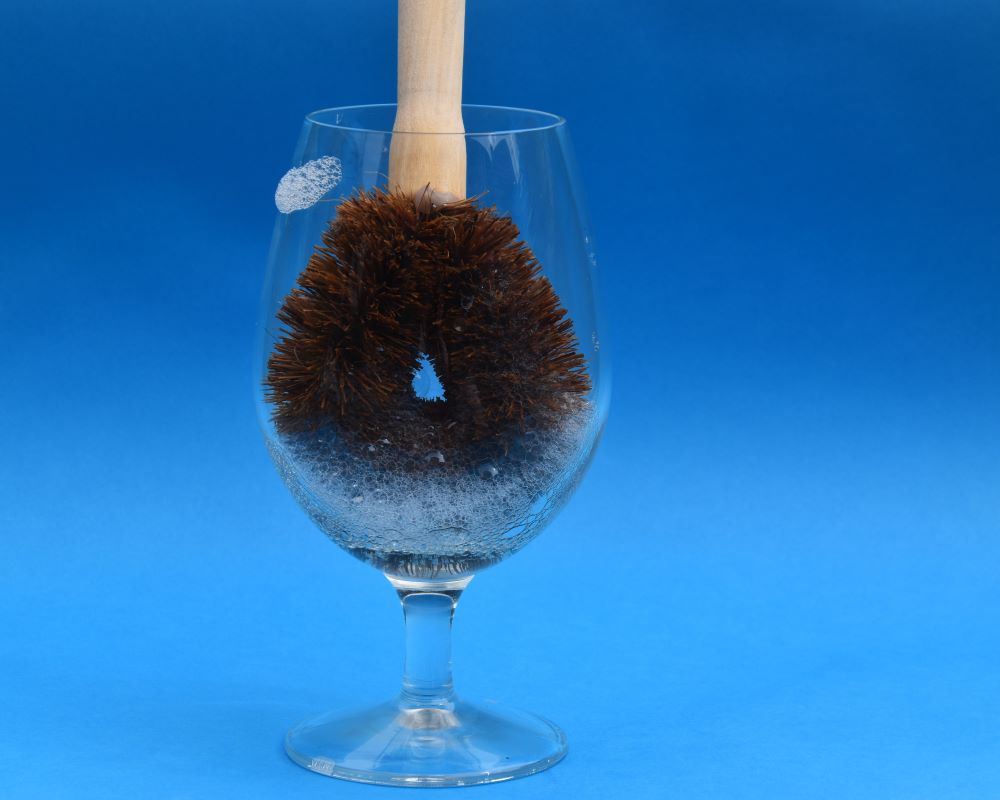
More reach
A handled version gives a more familiar washing-up brush feel while keeping the natural coconut fibre head.
Good to know
The reason tawashi brushes make sense is not because they are trendy. It is because they are simple, effective and easy to understand: natural fibres, proper texture, fewer sad plastic sponges.
Start with the basic definition, then choose the page that matches what you need next: how to use one, how it compares with a plastic sponge, or where to buy tawashi brushes.
Choose the regular coconut tawashi brush, a mug brush or a handled version from Save Some Green.
Privacy choices
We use necessary storage to keep Tawashi.co.uk secure and working. If you allow analytics, Google Analytics helps us understand which parts of the site are useful. We do not use advertising or behavioural tracking cookies.
Privacy choices
Choose whether you want to allow optional analytics. Necessary website functions stay active either way.
Required for security, consent preferences and essential website functions.
Google Analytics helps us understand which parts of Tawashi.co.uk are useful. It is not loaded unless you allow it.
Advertising and behavioural tracking: not used.