Step one
Put it straight to work
Use it on plates, bowls, mugs, cutlery, knives, chopping boards, pans, trays, sink edges and root vegetables.

How to use a tawashi brush
A tawashi brush is a simple natural-fibre cleaning brush for the jobs that happen around the sink, the kitchen and the home. Use it for dishes, pans, cutlery, mugs, chopping boards, sink edges, root vegetables and awkward corners where a cloth or sponge can feel a bit flimsy. It is especially handy for knives because the firm brush gives you something to hold while keeping your fingers away from the sharp edge.
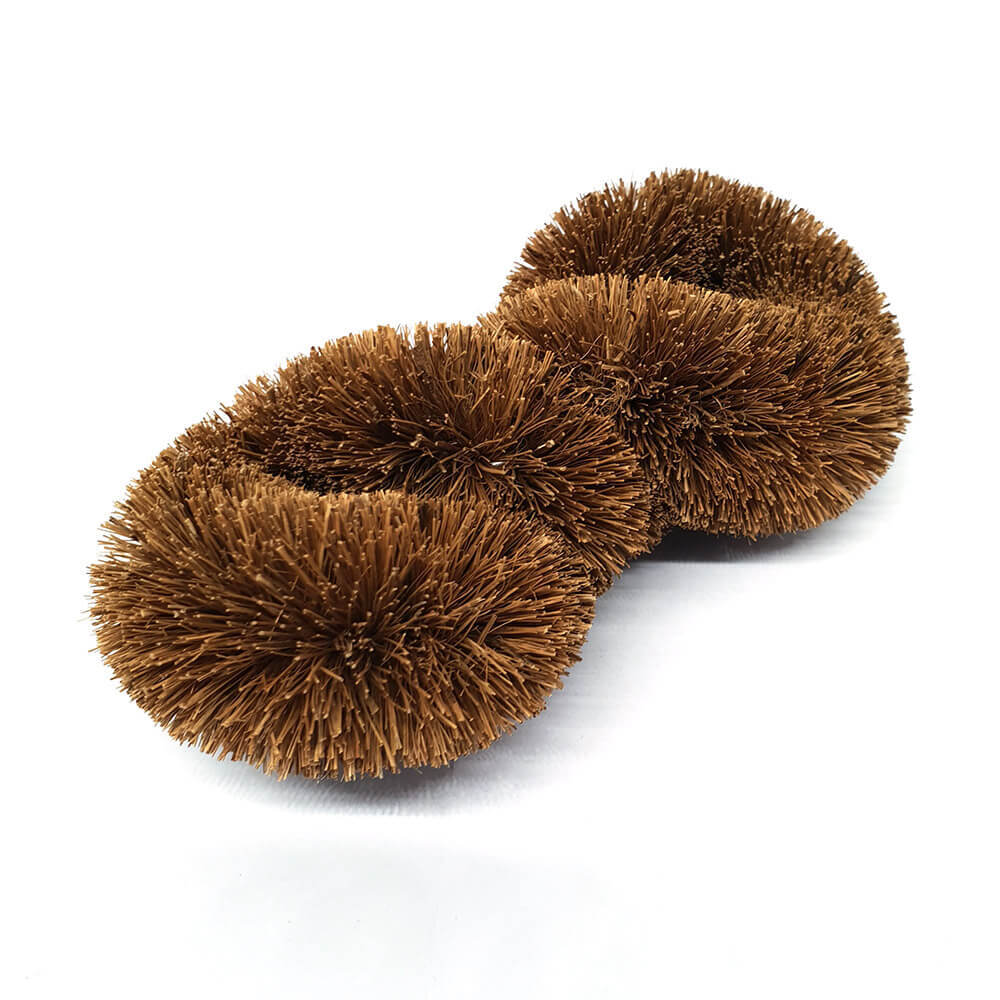
Use it, rinse it, let it dry.
A straightforward little brush for real kitchen jobs, not a complicated cleaning ritual.
The basic method
A tawashi brush is simple by design. Use it in normal sink water, with washing-up liquid or a dish soap bar, and let the coconut fibre do the work. You do not need to soak it first, prepare it, or treat it like specialist equipment.
Think of it as the firm little brush you reach for when a cloth is too soft and a plastic sponge feels too floppy. Light pressure is enough for ordinary jobs; firmer pressure helps with dried-on food, pan edges, sink marks and vegetable mud.
Step one
Use it on plates, bowls, mugs, cutlery, knives, chopping boards, pans, trays, sink edges and root vegetables.
Step two
Go lightly for everyday cleaning and press a little more firmly where food, marks or mud need extra attention.
Step three
Rinse out loosened food or dirt, shake off extra water, and leave the brush somewhere airy. Drying keeps it fresher for longer.
Not just a scrubber
It is easy to describe a tawashi as a scrub brush because it does have proper cleaning bite. But that makes it sound as though it only comes out for burnt pans and emergency sink situations. Really, it is more ordinary and more useful than that.
A good coconut tawashi brush works as a general sink-side tool. Use it for the regular daily jobs, then give it a firmer go when something needs more friction. A cloth can handle soft wiping; the tawashi brush handles the jobs that need more shape, texture and control.
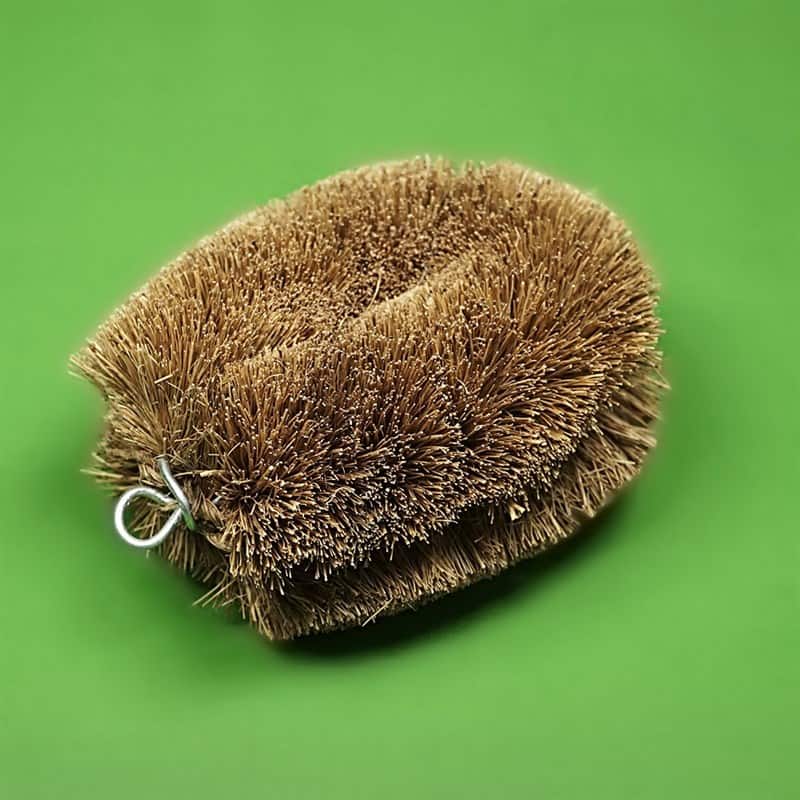
Knife cleaning
Knives are one of the best small reasons to use a tawashi brush. With a sponge or cloth, it is easy to end up folding material around the blade with your fingers too close to the sharp edge. A tawashi brush gives you something firmer to hold, so you can clean the blade with more distance and control.
Keep the knife steady, work carefully along the side of the blade, and let the brush take the awkwardness out of the job. It is a small detail, but it makes sharp knives feel much less fiddly to clean.
More distance
Hold the brush rather than wrapping a sponge around the blade. That gives you more space between your fingers and the sharp part.
Better control
Use steady strokes along the side of the knife, working calmly and keeping the sharp edge facing away from your hand.
Less fiddly
The firm fibres are useful around handles, rivets and joins where food can sit after chopping.
All-purpose kitchen brush
You do not need a complicated brush system. One tawashi brush can handle dishes, cutlery, knives, pans, mugs, chopping boards, sink edges and root vegetables. If you like keeping things separate, you can keep another brush for veg or dirtier jobs, but it is not a requirement.
The sensible line is simple: use it for kitchen jobs, food jobs and sink jobs. When it gets older, retire it to plant pots, muddy boots, outdoor gear and the jobs you would rather not give to your best kitchen brush.
Daily kitchen jobs
Use it for the normal things that collect by the sink: plates, bowls, mugs, glasses, cutlery, chopping boards and pans.
Food prep jobs
It is excellent for muddy potatoes, carrots, beetroot and parsnips when you want to clean the veg without peeling away half your dinner.
Later-life jobs
An older brush can move on to plant pots, muddy wellies, outdoor gear, cool boxes, bins and utility cleaning.
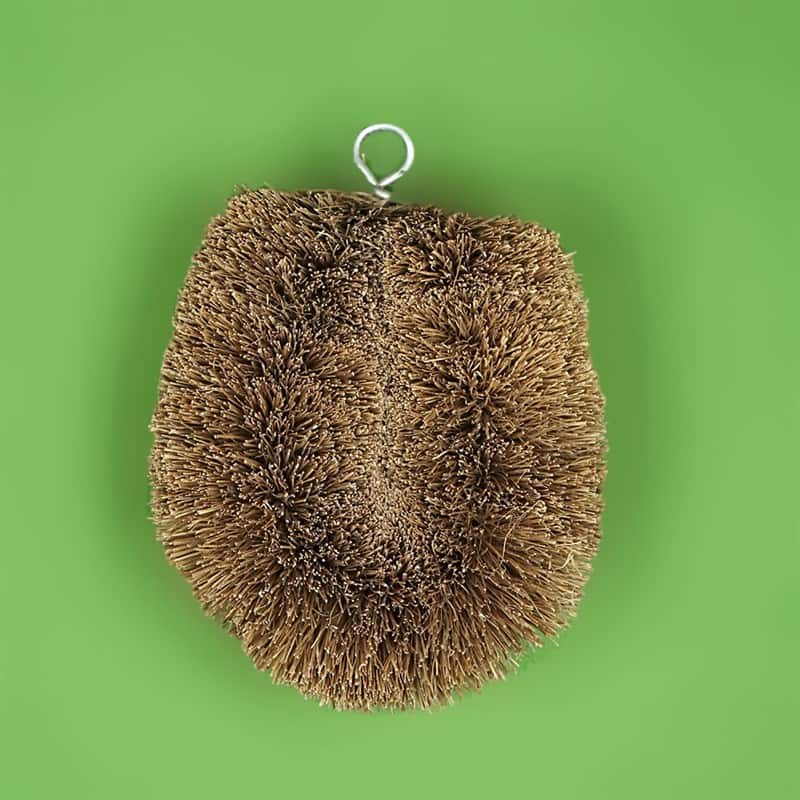
End-of-wash routine
At the end of the washing up, before you let the water out, brush around the inside of the sink with the tawashi brush. It cleans the sink, clears the last little bits from the brush, and finishes the job neatly.
Then shake the brush out, lift it clear of the water, empty the sink, and leave the brush in the empty sink or somewhere airy to dry. Because the brush is naturally raised and textured, it can sit there quite happily without lying flat like a sponge.
Soap bar tip
A little thing we like: if you use a solid dishwashing soap bar, rest it on top of the tawashi brush when you have finished at the sink. The brush lifts the soap slightly, helps water drain away, and keeps both of them sitting neatly together.
It is not something you have to do, but it is a tidy little system if you already use a dish soap bar. The brush dries, the soap dries, and everything is ready for next time.
Raised up
The brush gives the soap a slightly raised place to rest instead of leaving it sitting in a puddle.
Neat and simple
The tawashi brush and soap bar can live together by the sink without needing a complicated holder.
Ready again
Letting the brush and soap dry between uses keeps the whole setup fresher for longer.
Choose the right shape
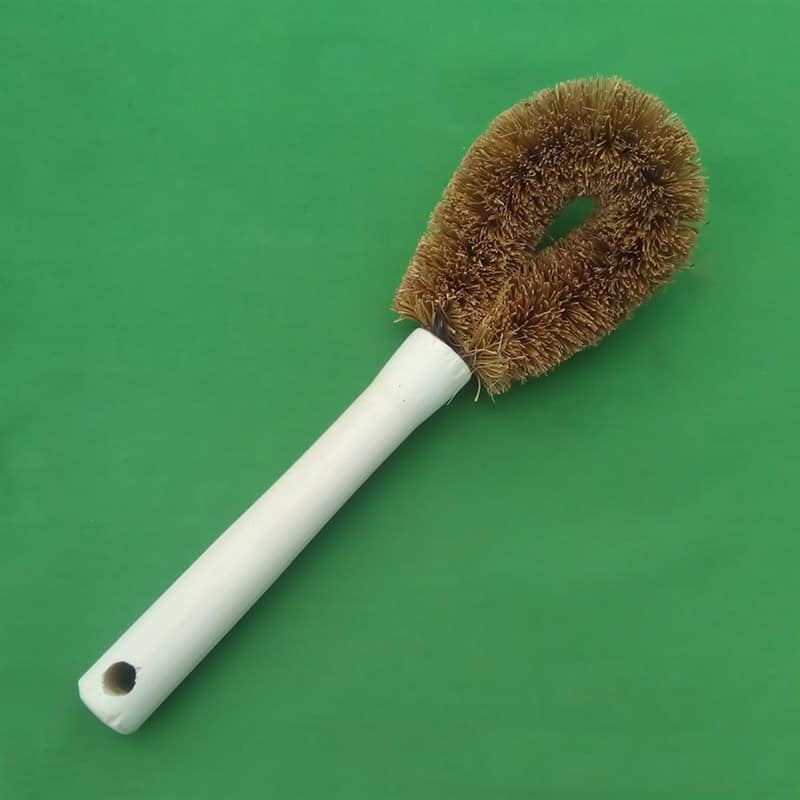
The best tawashi brush depends on what you are cleaning. A regular brush is the all-rounder, the mug brush gets into awkward shapes, and the handled brush feels closer to a familiar brush with a bit more reach.
All-rounder
Use this for everyday dishes, pans, trays, sinks, knives, vegetables and general cleaning.
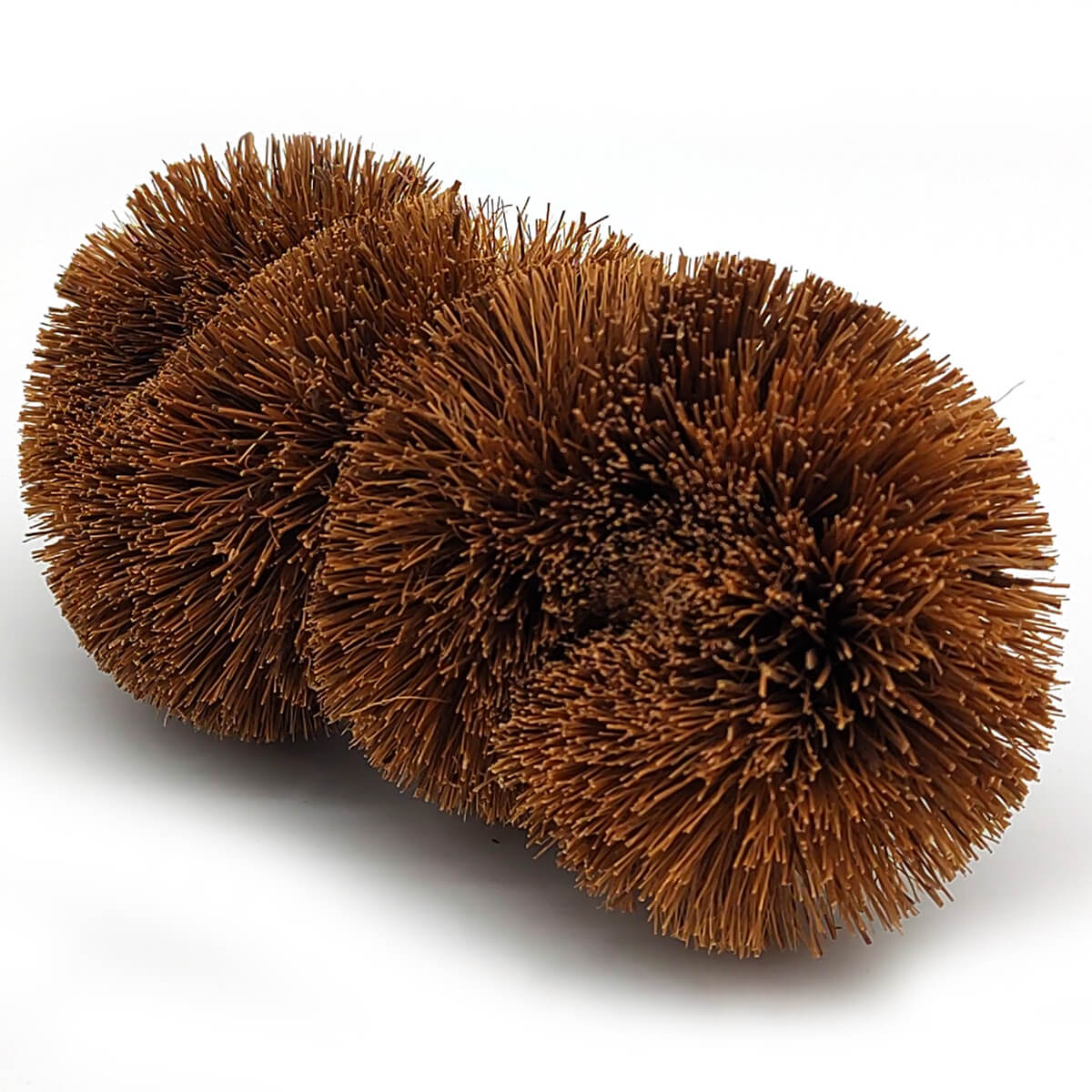
Cup cleaner
Better for mugs, cups, glasses, jars and awkward corners where a normal sponge does not behave itself.
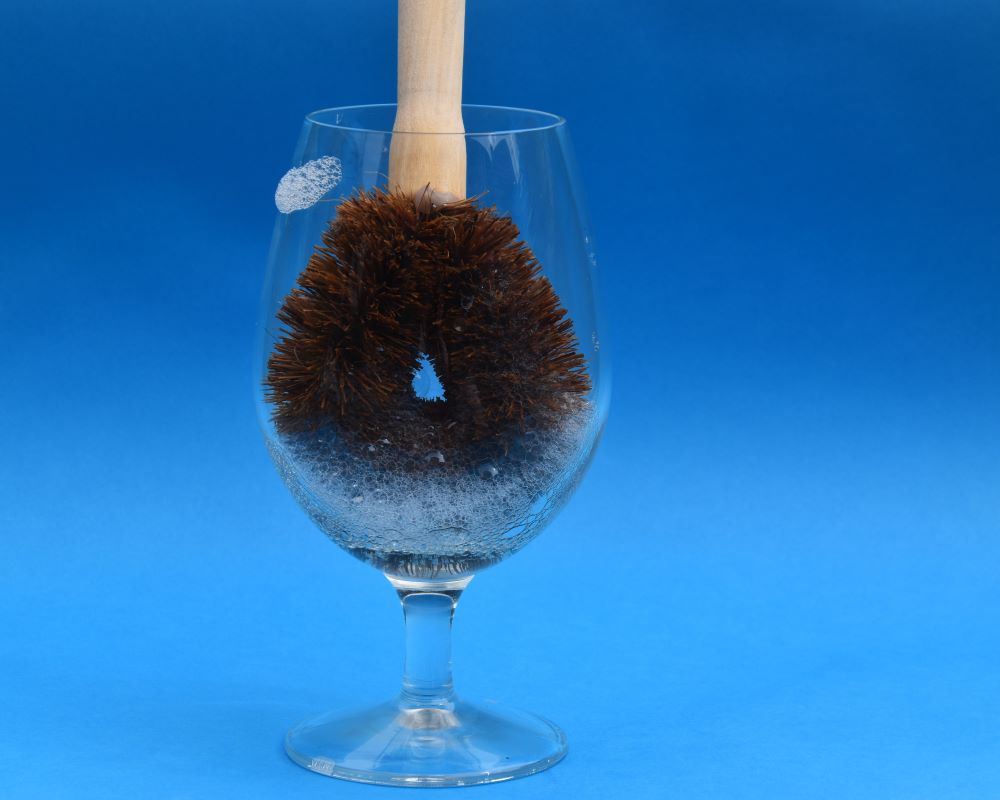
Extra reach
Useful when you want a bit more reach, a familiar grip or less direct hand contact with the cleaning job.
How to clean a tawashi brush
The easiest way to clean a tawashi brush is to rinse it as part of your normal routine. Brush around the sink at the end, shake or rinse the fibres clear, and leave it somewhere it can dry.
Every now and then, you can give the brush a fuller refresh in a normal wash load, then dry it thoroughly afterwards. It is a simple natural fibre brush, so the care is simple too.
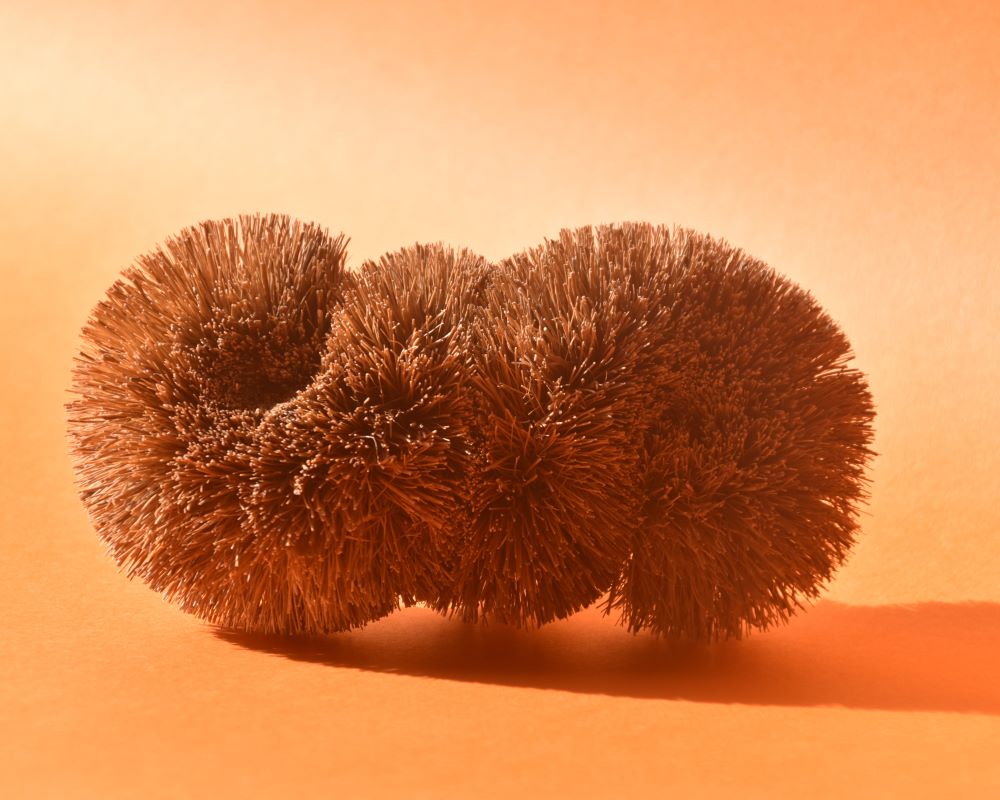
When it gets old
A good tawashi brush lasts really well, but nothing cleans forever. The nice thing is that it does not have to go straight from kitchen brush to bin. Move it down the cleaning ladder first, then give it a simple natural final goodbye.
Because a coconut tawashi brush is made from natural coconut fibre, it biodegrades without leaving plastic sponge foam or synthetic scouring residue behind. The fibre simply breaks down and becomes part of the natural substrate. The only part to think about separately is the small metal hook.
Stage one
Start with dishes, pans, trays, mugs, sinks, knives and everyday kitchen jobs while the brush is at its best.
Stage two
When it looks too tired for mugs, use it for plant pots, garden bits, outdoor gear, muddy wellies, bins, cool boxes or bath edges.
Final goodbye
When it is truly finished, the coconut fibre can go in the compost bin, be buried in the garden, burned dry, or put in the ordinary bin. It is natural plant fibre, so it biodegrades; just remove or account for the small metal hook.
That is one of the real advantages of a coconut tawashi brush over a plastic sponge. One ends as plastic waste. The other returns to the natural world as biodegradable coconut fibre, with only the little metal hook needing separate thought.
Practical routine
How to use a tawashi brush comes down to a calm little rhythm: use it, rinse it, let it dry. That is it. It is not only for dramatic stuck-on pan jobs; it is a practical everyday brush that happens to have enough bite when the job gets stubborn.
Keep it by the sink with a cloth and you have a very simple plastic-free cleaning setup: cloth for soft wiping, tawashi brush for dishes, knives, pans, veg and the inside of the sink.
Choose a regular coconut tawashi brush, mug brush or handled brush from Save Some Green.
Privacy choices
We use necessary storage to keep Tawashi.co.uk secure and working. If you allow analytics, Google Analytics helps us understand which parts of the site are useful. We do not use advertising or behavioural tracking cookies.
Privacy choices
Choose whether you want to allow optional analytics. Necessary website functions stay active either way.
Required for security, consent preferences and essential website functions.
Google Analytics helps us understand which parts of Tawashi.co.uk are useful. It is not loaded unless you allow it.
Advertising and behavioural tracking: not used.