Plastic sponge
Short-life plastic
The classic yellow sponge with the green scrubby layer may look harmless, but it is still plastic-based cleaning material that wears out and gets thrown away.

Tawashi vs plastic sponge
When you compare a tawashi vs plastic sponge, the real difference is not just looks or scrubbing power. A yellow plastic sponge with a green scrubby layer is still plastic. It wears, tears, gets thrown away and contributes to the wider problem of plastic waste and microplastics. A coconut tawashi brush is different because it is made from natural coconut fibre, not synthetic sponge foam.
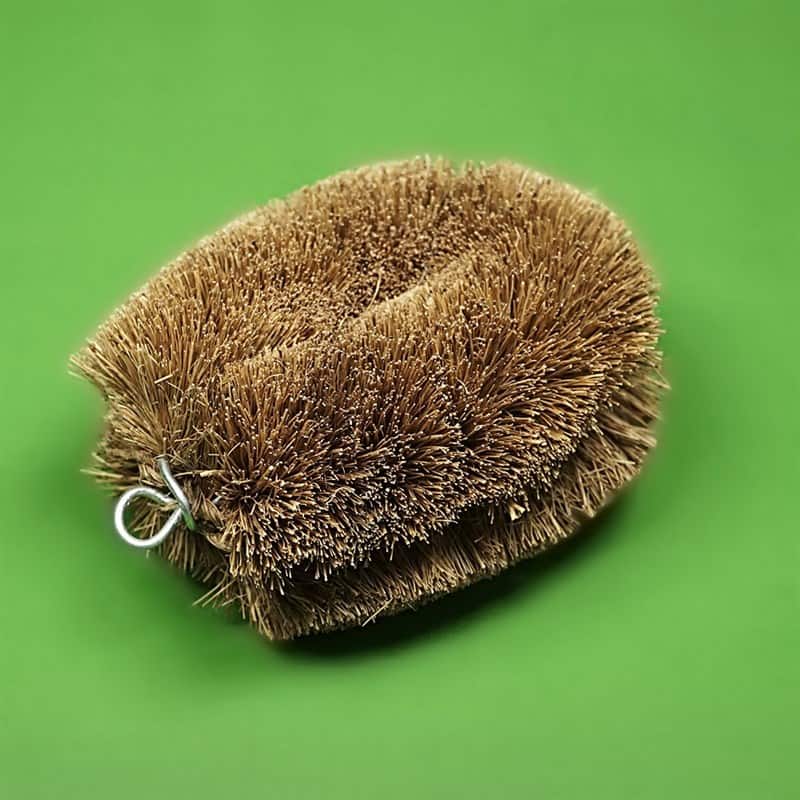
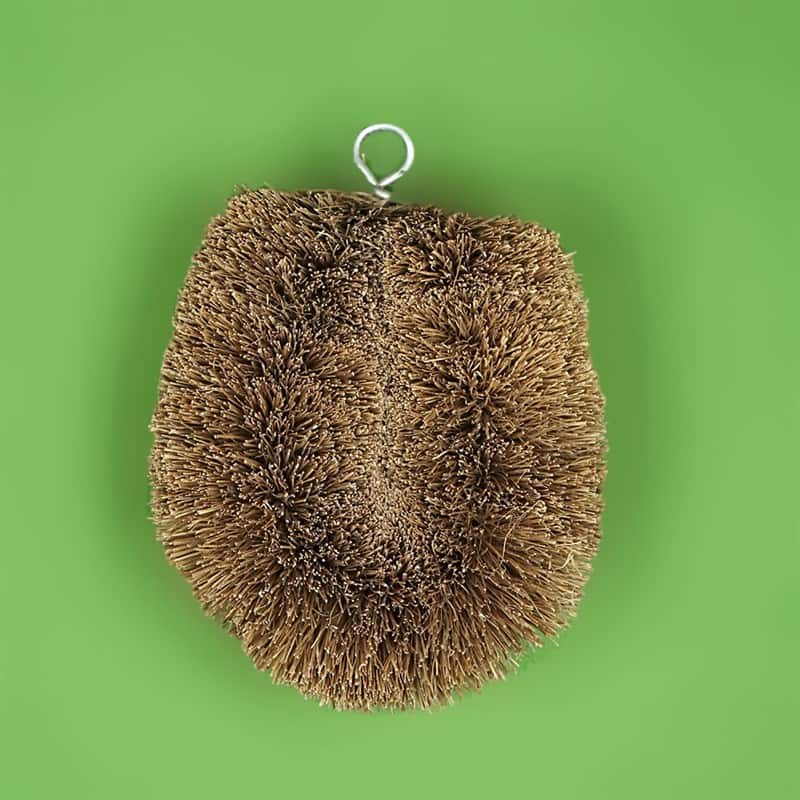
Less plastic foam. More natural fibre.
A coconut tawashi brush gives you a practical sink-side tool without relying on disposable plastic sponge foam.
Quick answer
A plastic sponge can be useful for soft wiping, but it is usually a short-life plastic product. A tawashi brush is the better choice when you want a firmer, longer-lasting, plastic-free sponge alternative for pans, mugs, sinks, root vegetables and everyday kitchen cleaning.
The sensible system is simple: cloth for soft wiping, tawashi brush for the jobs that need more texture, grip and control. That way, the sink does not have to depend on yellow plastic sponge foam and synthetic green scouring layers.
Plastic sponge
The classic yellow sponge with the green scrubby layer may look harmless, but it is still plastic-based cleaning material that wears out and gets thrown away.
Tawashi brush
A coconut tawashi brush uses coconut coir fibre instead of synthetic sponge foam, so the useful texture comes from plant fibre, not plastic.
Better system
Use a cloth for soft wiping and a tawashi brush for pans, sinks and the jobs where a sponge feels too flimsy.
Microplastics are the issue
Plastic sponges and synthetic scourers are made from man-made materials. When they wear down, tear, shed, scrub, squeeze and finally get thrown away, the small fragments are still plastic. Making plastic smaller does not make it natural, harmless or gone.
That is the serious part. Once tiny plastic fragments enter drains, soil, rivers and oceans, they are extremely difficult to recover. Microplastic pollution is already widespread, and the sensible answer is to stop using shedding plastic for jobs where a simple natural fibre tool can do the work instead.
Further reading
Surfers Against Sewage have been fighting plastic pollution for years, and they put the problem plainly: plastic does not disappear. It breaks down into smaller fragments, spreads through rivers, beaches and oceans, and has now been found far beyond the shoreline.
The health science around microplastics is still developing, but the direction is clear enough: where a simple natural fibre tool can replace a shedding plastic product, it makes sense to make the swap.
Plastic does not disappear. It just becomes a smaller problem in more places.
That is why reducing everyday plastic at source matters — even with something as ordinary as the sponge by the sink.
Why the sponge is the problem
It is small, cheap and familiar, which makes it easy to ignore. But a plastic sponge is still a plastic product. The soft foam, the synthetic scouring layer, the torn edges, the loose fibres and the pieces that break away do not become better for the world just because they are tiny.
Once plastic escapes into the wider environment, it can persist, travel and break down further. That is the problem with using plastic for jobs that could be done by a natural fibre brush instead.
Foam
Sponge foam is light, flexible and convenient, but it is still synthetic material that does not become plant matter when it wears out.
Scrubby layer
The green scouring layer feels practical, but it is usually another synthetic layer doing a job that natural fibre can often do instead.
End result
Whether it goes flat, tears apart or gets binned whole, a plastic sponge remains plastic at the end of its useful life.
Pollution does not stay put
Plastic waste can escape into waterways and oceans, where larger pieces can harm wildlife and smaller fragments add to the microplastics problem. Birds, fish, turtles and other creatures do not benefit from plastic breaking into pieces. They simply inherit the mess.
A coconut tawashi brush is not perfect magic, but it avoids the most obvious problem: it is not plastic sponge foam. It starts as plant fibre and ends as plant fibre, so it does not add the same kind of persistent synthetic material to the world.
Why coconut fibre works so well
Coconut coir comes from the tough outer husk of the coconut. That husk is not the bit people are usually eating or drinking; it is the fibrous protective layer around the shell. Turning it into a brush makes proper use of a strong natural material that might otherwise be treated as low-value agricultural waste.
That is what makes a coconut tawashi brush such a sensible swap. You are not asking a delicate material to do a hard job. Coconut fibre is already coarse, springy and textured by nature, which is why it suits practical products such as brushes, mats, rope and doormats.
Useful by-product
Coconut fibre comes from the husk, the protective outer part of the coconut. Using that fibre turns a rough agricultural by-product into something genuinely useful around the home.
Naturally textured
Coir is firm, wiry and springy. That natural texture gives a tawashi brush its cleaning bite without needing plastic sponge foam or synthetic scouring fibres.
Non-plastic
This is the crucial difference: coconut fibre does not become microplastic pollution because it was never plastic in the first place.
Side-by-side comparison
This is not about pretending every sponge is evil and every brush is perfect. It is about choosing the right material for the job. A plastic sponge gives you soft foam and a short useful life. A tawashi brush gives you natural fibre, better structure and a cleaner end-of-life story.
Plastic sponge
A plastic sponge can wipe and scrub for a while, but it often flattens, tears, smells and ends up as plastic waste.
Tawashi brush
A tawashi brush holds its shape, gives you more control, and can be rinsed, dried, washed and reused for a long time.
Best system
Use a cloth for gentle wiping and a tawashi brush for dishes, pans, trays, sinks, root vegetables and firmer cleaning jobs.
Where tawashi brushes are better
A plastic sponge is fine for a soft wipe, but the tawashi brush wins when you want texture, grip and shape. It is useful for ordinary washing up, but also for the jobs where sponge foam feels too floppy or short-lived.
Durability and final goodbye
One of the biggest wins in the tawashi vs plastic sponge comparison is what happens at the end. A sponge usually goes from sink to bin as plastic waste. A tawashi brush can start in the kitchen, move to dirtier jobs, and only then be retired.
When it is truly finished, the coconut fibre can go in compost, be buried in the garden, burned dry, or put in the ordinary bin. It biodegrades naturally; just remove or account for the small metal hook.
First life
Use it for dishes, pans, trays, mugs, sinks and everyday kitchen jobs while it is at its best.
Second life
Move an older brush to plant pots, outdoor gear, muddy wellies, bath edges, bins, cool boxes or utility cleaning.
Final goodbye
At the end, coconut fibre breaks down as natural plant material. A plastic sponge does not get that same graceful exit.
Simple verdict
That is the sensible system. A cloth can handle gentle wiping. A tawashi brush can handle dishes, pans, sink edges, root vegetables and firmer cleaning jobs. Together, they make disposable plastic sponges feel much less necessary.
So if you are comparing a tawashi vs plastic sponge, the biggest point is simple: plastic sponge foam creates plastic waste. A coconut tawashi brush gives you a useful natural fibre alternative without the same microplastic problem.
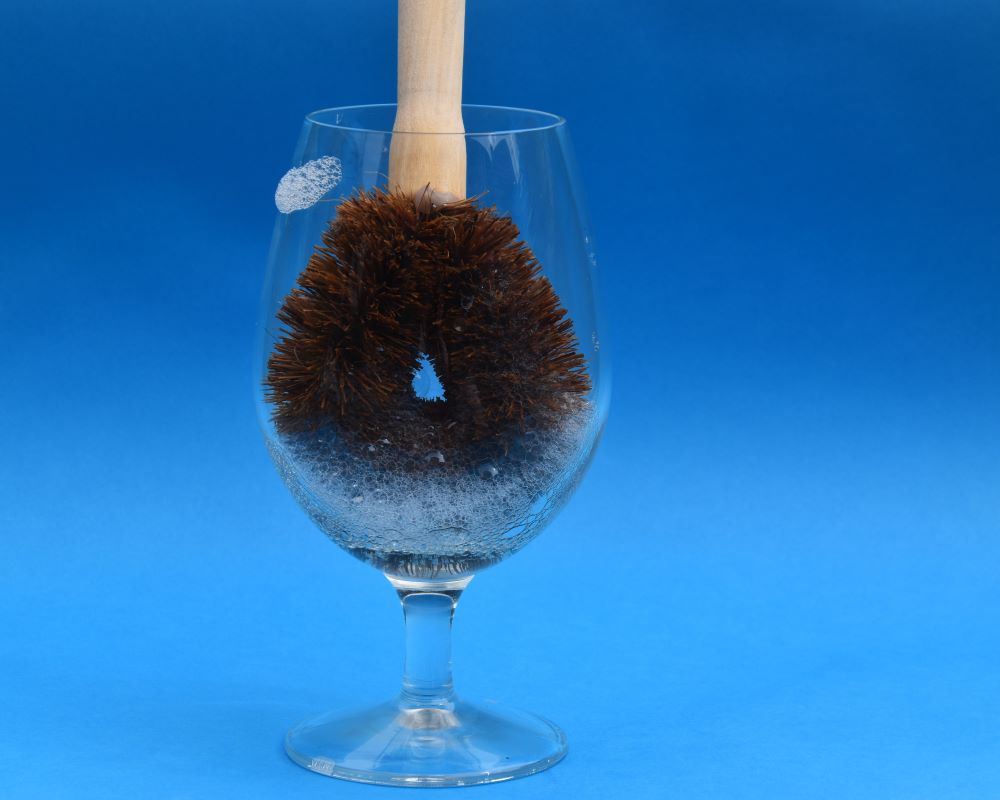
Choose a regular coconut tawashi brush, mug brush or handled brush from Save Some Green.
Privacy choices
We use necessary storage to keep Tawashi.co.uk secure and working. If you allow analytics, Google Analytics helps us understand which parts of the site are useful. We do not use advertising or behavioural tracking cookies.
Privacy choices
Choose whether you want to allow optional analytics. Necessary website functions stay active either way.
Required for security, consent preferences and essential website functions.
Google Analytics helps us understand which parts of Tawashi.co.uk are useful. It is not loaded unless you allow it.
Advertising and behavioural tracking: not used.